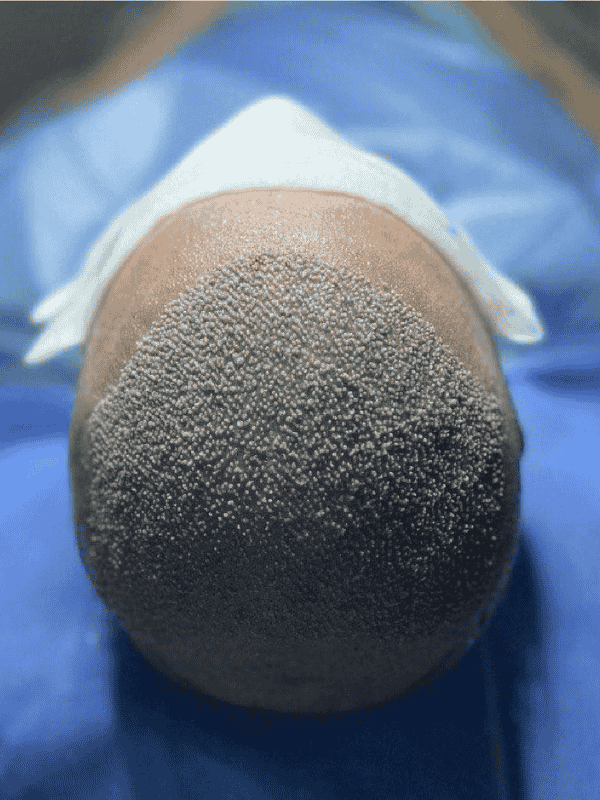
Hair loss is one of the most common concerns among men and women today. Whether it's driven by genetics, stress, hormonal imbalance, an underlying medical condition, or everyday lifestyle factors, thinning hair can quietly chip away at your confidence long before it becomes visible to everyone else. The good news: modern hair restoration — done by the right hands — can look completely natural, and East Delhi has quickly become one of the city's most accessible hubs for doctor-led treatment.
"The right diagnosis matters more than the right machine. Two patients with the same amount of visible hair loss can need two completely different treatment plans." — Dr. Ritika, HFX Clinic
Why Hair Loss Happens
Before jumping to a transplant, it helps to understand what's actually causing your hair fall. Most patients we see fall into one or more of these categories:
- •Androgenetic alopecia (genetic pattern baldness): the most common cause in both men and women, driven by sensitivity to DHT, a byproduct of testosterone.
- •Hormonal changes: thyroid imbalances, PCOS, pregnancy, and menopause can all trigger noticeable shedding.
- •Nutritional deficiencies: low iron, vitamin D, or protein intake weakens the hair growth cycle.
- •Chronic stress: prolonged stress can push follicles into a resting phase, causing diffuse thinning.
- •Lifestyle & environmental factors: pollution, harsh styling, and poor scalp hygiene all add up over time.
This is exactly why a proper trichoscopy-based diagnosis should always come before a treatment recommendation — not after.
Why Choose a Clinic in East Delhi
East Delhi has grown into a genuine alternative to South Delhi's premium clinic corridor — without the premium mark-up. Areas like Preet Vihar and Anand Vihar are well connected by metro and road from Ghaziabad, Noida, and East UP, which matters more than it sounds: hair transplants usually need at least one follow-up visit, so proximity and easy access genuinely affect recovery compliance.
Easy Accessibility
Well connected to Ghaziabad, Noida, and East UP — convenient for both procedure day and follow-up visits.
Transparent Pricing
Fewer overheads than premium South Delhi clinics translate into fairer, more honest per-graft pricing.
Doctor-Led Care
Established clinics in the area are run by certified cosmetologists rather than technicians alone.
Growing Track Record
Thousands of documented transplants and non-surgical treatments performed in the region over the last decade.
FUE vs DHI: Which Technique Is Right for You?
These are the two most-asked-about techniques, and neither is universally "better" — they suit different degrees of baldness and different goals.
| Factor | FUE | DHI |
|---|---|---|
| Method | Follicles extracted, then manually implanted into pre-made incisions | Follicles implanted directly using a specialised pen, no separate incision step |
| Best for | Larger areas, higher graft counts | Hairline design & density-focused precision work |
| Recovery | Slightly longer, minimal scarring | Typically faster, minimal handling of grafts outside the body |
| Scarring | Virtually undetectable dot scarring | No linear scar; extremely minimal |
Your doctor should recommend one — or a hybrid of both — only after assessing your donor density, scalp laxity, and the area to be covered.
Your Treatment Journey, Step by Step
Scalp & Hair Diagnosis
Digital trichoscopy, hormone/vitamin assessment, and donor area evaluation.
Personalised Plan
Doctor recommends FUE, DHI, or a non-surgical route based on your stage of loss and goals.
Procedure Day
Performed under local anaesthesia; most sessions run 6–8 hours with breaks, and you go home the same day.
Recovery & Follow-Up
Scabbing resolves in 7–10 days; scheduled follow-ups track healing and early regrowth.
Visible Growth
New hair typically starts appearing around month 4, with full results by month 9–12.
What Affects the Cost
Hair transplant pricing in Delhi is usually quoted per graft, but the final number depends on more than that single figure:
- •Number of grafts required — determined by the size of the balding area.
- •Technique chosen — FUE, DHI, or a combination.
- •Doctor's experience level — senior surgeon-led sessions typically cost more, but graft survival tends to be higher.
- •Aftercare package — serums, PRP top-ups, and follow-up visits included in the plan.
Always ask for a written, itemised quote — a trustworthy clinic will never pressure you into a package on your very first visit.
Aftercare & Recovery Tips
- •Avoid touching or scratching the transplanted area for at least 10 days.
- •Sleep with your head slightly elevated for the first week to reduce swelling.
- •Follow the prescribed wash routine exactly — don't improvise with your regular shampoo early on.
- •Skip the gym, swimming, and direct sun exposure until your doctor clears you.
- •Attend every scheduled follow-up — early issues are far easier to correct than late ones.
How to Choose the Right Clinic
Use this quick checklist on your first visit, before you commit to anything:
- ✓Is a certified doctor actually present for diagnosis and the procedure — not just technicians?
- ✓Do they show verifiable before/after results, not just stock photos?
- ✓Is pricing itemised and given in writing, with no forced upselling?
- ✓Do they offer structured follow-up visits, not a one-and-done procedure?
- ✓Do they use FDA-approved tools and sterile, hygienic procedure rooms?
Hair restoration is a medical decision as much as a cosmetic one. Choosing a clinic that treats the root cause — not just the visible symptom — is what separates a natural-looking, lasting result from a disappointing one.
Reviewed by the HFX Clinic medical team
MBBS-qualified cosmetologists & hair regrowth specialists, Delhi
Frequently Asked Questions
How many sessions does a hair transplant usually need?
Most patients need just one session. Very advanced baldness or higher graft requirements may need a second session, spaced several months apart, which your doctor will advise on during diagnosis.
Can women get a hair transplant too?
Yes. Female pattern hair loss is commonly treated with FUE/DHI transplants and non-surgical therapies, though the diagnostic approach differs slightly since female hair loss is often diffuse rather than patterned.
Is a hair transplant a permanent solution?
Transplanted follicles are taken from DHT-resistant donor areas, so they typically continue growing for life. Your existing (non-transplanted) hair can still thin over time, which is why many patients pair a transplant with ongoing maintenance therapy.
What's the earliest age to consider a transplant?
Most doctors prefer to wait until your hair loss pattern has stabilised, usually mid-to-late 20s, so the treatment plan accounts for future loss and not just the current stage.